Chandraprabha sanctuary is situated to the Southeast of Varanasi. Though one of India's lesser-known sanctuaries, Chandraprabha is endowed with beautiful picnic spots, dense forests, and scenic waterfalls like Rajdari and Devdari that attract a large number of tourists. The Chandraprabha sanctuary was established in May 1957. Asiatic lions were introduced at Chandraprabha in 1958. To start with the exercise was successful, with the number of lions rising from three to 11 by 1969. However, the next year the lions were found missing. The plan to put lions was again revived in 1993 but sadly not much has happened since then.
Flora And Fauna
A variety of wild animals and plant life are found at Chandraprabha. The animal life includes blackbucks, chital, sambhar, nilgai, wild boar, porcupine and Indian gazelle. The reptilian species include gharial and python. In terms of flora, it is a typical dry deciduous forest, composed of gneiss and laminated stone.
Reaching Chandraprabha
Chandraprabha sanctuary is about 55 km from Varanasi. The most convenient way to reach the Chandraprabha sanctuary is by hiring a taxi and driving down. The journey takes approximately two hours. The nearest rail junction is Varanasi, well connected to most parts of India.
Flora And Fauna
A variety of wild animals and plant life are found at Chandraprabha. The animal life includes blackbucks, chital, sambhar, nilgai, wild boar, porcupine and Indian gazelle. The reptilian species include gharial and python. In terms of flora, it is a typical dry deciduous forest, composed of gneiss and laminated stone.
Reaching Chandraprabha
Chandraprabha sanctuary is about 55 km from Varanasi. The most convenient way to reach the Chandraprabha sanctuary is by hiring a taxi and driving down. The journey takes approximately two hours. The nearest rail junction is Varanasi, well connected to most parts of India.

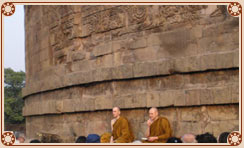 Dhamekh Stupa, Sarnath" align="RIGHT" border="0" width="244" height="148">There are a number of historical and religious places and towns around Varanasi that are worth visiting. Some of the important and famous are Sarnath, Chunar, Jaunpur, Kaushambi, Kushinagar and Vindhaychal. Sarnath is about 10 km from Varanasi and is famous for being the place where Lord Buddha preached his first sermon after getting enlightenment. Sarnath is an important pilgrimage place for the Buddhists as it was here that the wheel of dharma was set in motion. Sarnath also boasts of a number of monuments and edifices ranging from the Ashokan period to the 12th century.
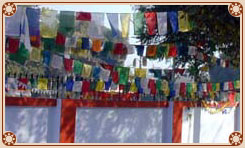 Benares, Varanasi" align="RIGHT" border="0" width="245" height="148">The art and culture of Varanasi is unique. It is the rich cultural tradition of Varanasi that makes it the cultural capital of India. A combination of archaeology, mythology, geography, art and history makes Varanasi a great center of Indian culture. Though Varanasi is associated mainly with Hinduism and Buddhism but one can find glimpse of many religious beliefs, types of worship and religious institutions at Varanasi. It is amazing to see the primitive worship cults being practiced at Varanasi.
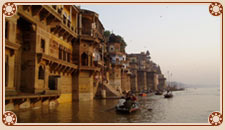
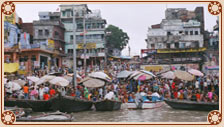
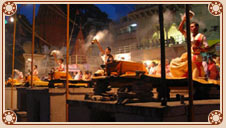
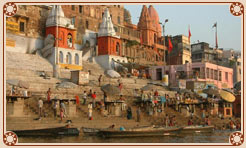 Varanasi or Kashi is older than traditions. Varanasi presents a unique combination of physical, metaphysical and supernatural elements. According to the Hindu mythology, Varanasi liberates soul from human body to the ultimate. It is the Ganga Ghats of Varanasi that complement the concept of divinity. Ghats of Ganga are perhaps the holiest spots of Varanasi. The Ganga Ghats at Varanasi are full of pilgrims who flock to the place to take a dip in the holy Ganges, which is believed to absolve one from all sins.
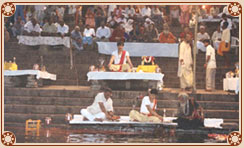 Varanasi is the most popular pilgrimage place for the Hindus. The rich cultural heritage and tradition of Varanasi makes it the cultural capital of India. For ages, Varanasi has been a center of learning of Indian philosophy, spiritualism, mysticism and other branches of education. Varanasi is essentially a melting pot of Indian culture. In Hindu religion, it is believed that one, who dies and is cremated at Varanasi, gets an instant gateway to liberation from the cycle of births and re-births. Being associated with Hindu traditions and religion, Varanasi is home to numerous temples, muths and Ashrams.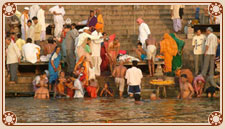
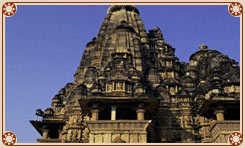 Kashi Vishwanath Temple, Varanasi" border="0" width="245" height="148">
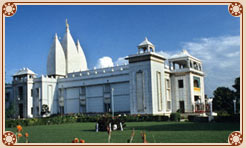 Tulsi Manas Temple, Varanasi" align="RIGHT" border="0" width="246" height="148">
 Varanasi is the cultural capital of India and the melting pot of Indian civilization. Varanasi or Benaras has a well-developed transport network and is well connected to all the major Indian cities and states by air, road and rail.
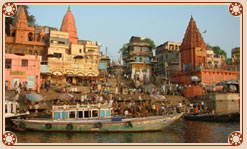 The land of Varanasi (Kashi) has been the ultimate pilgrimage spot for Hindus for ages. Often referred to as Benares, Varanasi is the oldest living city in the world. These few lines by Mark Twain say it all: "Benaras is older than history, older than tradition, older even than legend and looks twice as old as all of them put together". Hindus believe that one who is graced to die on the land of Varanasi would attain salvation and freedom from the cycle of birth and re-birth. Abode of Lord Shiva and Parvati, the origins of Varanasi are yet unknown. Ganges in Varanasi is believed to have the power to wash away the sins of mortals.
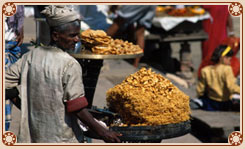 Just like its rich culture and lifestyle, Varanasi is equally famous for its rich variety of foods and cuisines. The sumptuous and delicious but tangy and spicy North Indian food and snacks are the best options to try at Varanasi. However, one can get good Chinese, Italian, Continental and South-Indian food too. There are good number of Byzantine eateries and restaurants in the cities where one can explore for the food that suits one's tastes. The wide variety of mouth-watering sweets and 'chatpate' snacks are just not to be missed.
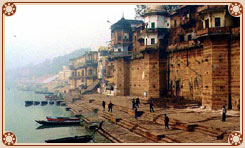 Situated in Uttar Pradesh, in northern part of India, Varanasi is located on the banks of the holy river, Ganges. During summers, weather can be as hot as 45° C and humid too as Varanasi lies at the Tropic of cancer. Torrential rains and high humidity accompanies the monsoons that usually come in late June or early July for about two months. Delicious and juicy mangoes offer little relief from the sweating weather. On the other hand, winters are pleasant and temperature dips down to about 7°C. In Varanasi, the climatic conditions are most favorable for the tourists between October to April. For those who are ready to face a sun and don't mind the odor of sweat, Varanasi is a place to visit all the year round.